

What is the weight of aluminized fabric? This is a question I get asked a lot as an aluminized fabric supplier. And it's an important one, because the weight of the fabric can have a big impact on its performance and suitability for different applications.
Let's start by understanding what aluminized fabric is. Aluminized fabric is a special type of material that has a thin layer of aluminum coated onto a base fabric. This aluminum layer gives the fabric some really cool properties, like high reflectivity of heat and light. It's used in a wide range of industries, from fire protection to aerospace.
Now, the weight of aluminized fabric is typically measured in grams per square meter (g/m²). This measurement tells you how much the fabric weighs for every square meter of its surface area. The weight can vary quite a bit depending on the type of base fabric used, the thickness of the aluminum coating, and the intended use of the fabric.
For example, lightweight aluminized fabrics usually weigh around 100 - 200 g/m². These are great for applications where flexibility and ease of movement are important. They're often used in things like robot protection. You can check out our Robot Protection Aluminized Fabric for more details on how this lightweight fabric can be used to safeguard robots from heat and other hazards.

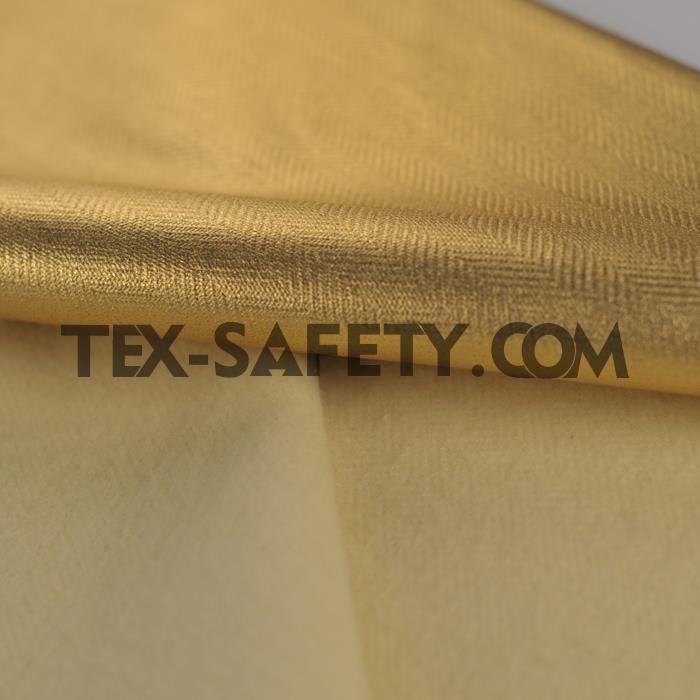
On the other hand, heavier aluminized fabrics can weigh 300 g/m² or more. These are designed for more heavy - duty applications where high levels of heat resistance are required. For instance, in protective garments for firefighters or workers in high - heat industrial environments. Our Heat Radiation Aluminum Coated Fabric for Protective Garments is a great example of a heavier fabric that offers excellent heat protection.
Another factor that affects the weight is the type of base fabric. One common base fabric is rayon. Aluminized rayon fabric has its own unique properties. It's often a good balance between weight and performance. You can learn more about Aluminized Rayon Fabric and see how it compares to other types of aluminized fabrics.
When it comes to choosing the right weight of aluminized fabric for your project, there are a few things to consider. First, think about the level of heat protection you need. If you're dealing with extreme heat, a heavier fabric might be the way to go. But if you need something that's more flexible and lightweight, a lighter fabric will be better.
Second, consider the environment in which the fabric will be used. If it's going to be in a place where there's a lot of movement, like in a robotic arm, a lighter fabric will allow for more freedom of movement. But if it's for a stationary application, like lining a furnace, a heavier fabric can provide better insulation.
Also, cost is a factor. Generally, heavier fabrics are more expensive because they use more materials. So, you'll need to balance your budget with the performance requirements.
As an aluminized fabric supplier, I've seen firsthand how different weights of fabric can make a big difference in various applications. Whether you're a manufacturer looking for the right material for your products or a safety professional in need of high - quality protective gear, choosing the right weight of aluminized fabric is crucial.
If you're interested in learning more about our aluminized fabrics or have specific requirements for your project, don't hesitate to reach out. We're here to help you find the perfect fabric for your needs. We can provide samples so you can test the fabric and see how it performs in your specific application.
In conclusion, the weight of aluminized fabric is an important characteristic that determines its performance and suitability for different uses. By understanding the different weights available and considering your specific requirements, you can make an informed decision when purchasing aluminized fabric. So, if you're in the market for aluminized fabric, give us a shout and let's start a conversation about your project.
References:
- General knowledge about aluminized fabrics from years of experience in the industry.
- Product specifications and research on different types of aluminized fabrics.