

Hey there! As a supplier of Radiation Fabric, I often get asked about the safety precautions when using this kind of fabric. So, I thought I'd put together this blog post to share some insights on the topic.
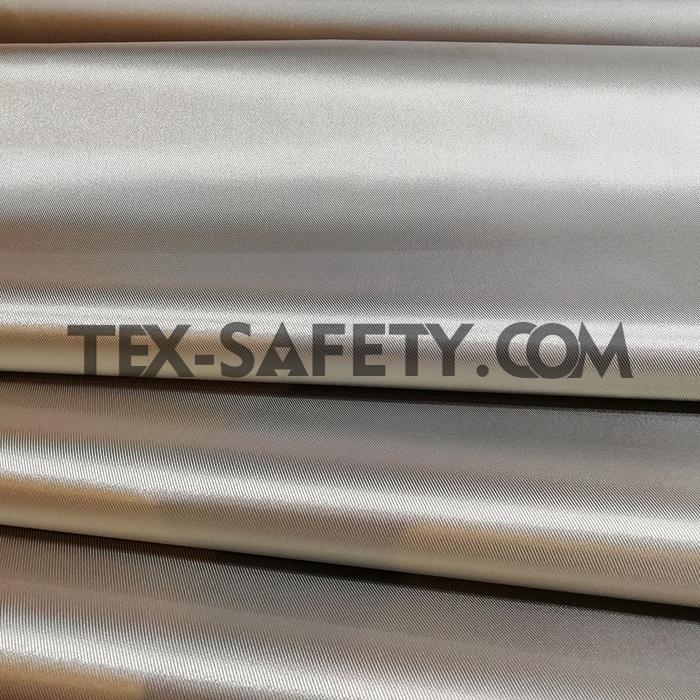
First off, let's understand what radiation fabric is. Radiation fabrics are special materials designed to block or reduce electromagnetic radiation. There are different types, like the RFID Radiation Protection Fabric which is great for protecting against RFID - related radiation, and the Microwave Shielding Fabric that helps in shielding from microwave radiation. You can check out our full range of Radiation Fabric on our website.
General Safety Precautions
Handling the Fabric
When you're handling radiation fabric, it's important to be gentle. Some radiation fabrics have a metallic component in them. These metallic parts can be a bit fragile. If you don't handle the fabric carefully, you might damage the metallic layer, which can reduce its radiation - blocking effectiveness. For example, avoid sharp tools near the fabric. Scissors or knives can accidentally cut into the metallic mesh or film inside the fabric.
Storage
Proper storage is also crucial. You should store radiation fabric in a dry place. Moisture can cause corrosion, especially if the fabric has metal elements. If the metal corrodes, it won't be able to block radiation as well. Also, try to keep the fabric flat. Folding it too tightly for a long time can damage the internal structure and reduce its shielding performance.
Using in Different Applications
Clothing
A lot of people use radiation fabric to make clothing, like anti - radiation aprons for pregnant women or work uniforms for people in high - radiation environments. When wearing radiation - protective clothing, make sure it fits properly. If the clothing is too loose, there may be gaps where radiation can sneak in. On the other hand, if it's too tight, it can put stress on the fabric and potentially damage it over time.
Also, clean the clothing as per the instructions. Some radiation fabrics can't be machine - washed because it might damage the radiation - blocking layer. Hand - washing in mild detergent is usually a safer option. And don't wring the fabric too hard after washing. Instead, gently press out the excess water to protect the internal structure.
Home and Office Use
In homes and offices, radiation fabric can be used to cover electronic devices or as curtains to block radiation from outside. When using it to cover devices, make sure the fabric doesn't cover the ventilation areas of the device. Electronic devices need to release heat, and if the radiation fabric blocks the ventilation, the device can overheat, which can be a safety hazard itself.
If you're using radiation fabric as curtains, make sure it's properly installed. Loose - hanging curtains can be a tripping hazard. Also, check regularly for any signs of wear and tear, especially if the curtains are exposed to sunlight or other environmental factors.

Industrial Use
In industrial settings, radiation fabric is used in more heavy - duty applications. Workers need to follow strict safety protocols. For instance, when installing radiation fabric in large industrial equipment, they should wear appropriate personal protective equipment (PPE), such as gloves and safety glasses. This is because the fabric may have sharp edges or the installation process might involve tools that can cause injuries.
Also, in industrial environments, the fabric may be exposed to harsh chemicals. Before using radiation fabric in such conditions, it's important to test whether the fabric is resistant to those chemicals. If not, the chemical can damage the fabric and make it ineffective for radiation protection.
Quality Assurance
As a supplier, I always make sure that our radiation fabrics meet high - quality standards. We conduct various tests on our fabrics, such as measuring their shielding effectiveness. But as a user, you can also do some basic checks. Look for any visible damage on the fabric, like holes or frayed edges. If you find any, the fabric may not be providing proper radiation protection.
It's also a good idea to buy radiation fabric from a reputable supplier. A reliable supplier will give you detailed product information, including the type of radiation it can block and the proper usage and care instructions.
Additional Safety Tips
- Educate yourself: Learn about the type of radiation you're trying to protect against. Different types of radiation have different characteristics, and the radiation fabric may work better against some types than others.
- Don't rely solely on the fabric: Radiation fabric is a good protective measure, but it shouldn't be your only safeguard. For example, in high - radiation areas, you may still need to limit your time of exposure and use other protective equipment in addition to the fabric.
Conclusion
In conclusion, radiation fabric is a great tool for protecting against electromagnetic radiation, but it's important to use it safely. By following these safety precautions in handling, storage, and usage, you can ensure that the fabric remains effective and keeps you safe.
If you're interested in purchasing our high - quality radiation fabric, or if you have any questions about our products, please feel free to get in touch with us. We're more than happy to assist you with your procurement needs and provide any further information you might require.
References
- Various industry reports on electromagnetic radiation and its effects.
- In - house research and development data on radiation fabric performance.