

Proper storage of fireproof materials is crucial for maintaining their quality, effectiveness, and safety. As a fireproof material supplier, I understand the importance of providing clear guidance on how to store these materials correctly. In this blog post, I'll share some key strategies and best practices to ensure your fireproof materials remain in optimal condition.
Understanding the Characteristics of Fireproof Materials
Before delving into storage methods, it's essential to understand the unique properties of different fireproof materials. Fireproof materials can be broadly categorized into inorganic and organic types. Inorganic fireproof materials, such as asbestos - free insulation boards and ceramic fibers, are generally more stable and less prone to degradation from environmental factors. Organic fireproof materials, such as Fire Resistant Material Fabric and FireProof Fabric, may be more susceptible to moisture, sunlight, and chemical exposure.
Storage Location
Temperature and Humidity Control
One of the most critical factors in storing fireproof materials is controlling the temperature and humidity of the storage area. Most fireproof materials perform best when stored in a cool, dry environment. High temperatures can cause some materials to lose their fire - resistant properties over time, while excessive humidity can lead to mold growth and degradation, especially for organic fireproof fabrics.
For example, Moda - arylic Flame Retardant Reflective Fabric should be stored at a temperature between 10°C and 30°C and a relative humidity of less than 60%. To achieve this, you can use climate - control systems such as air conditioners and dehumidifiers in the storage facility.
Ventilation
Proper ventilation is also essential to prevent the accumulation of moisture and harmful gases. Ventilation helps to maintain a consistent temperature and humidity level and reduces the risk of chemical reactions that could compromise the fireproof properties of the materials. Ensure that the storage area has adequate air - flow, either through natural ventilation (windows and vents) or mechanical ventilation systems.
Protection from Sunlight
Sunlight can have a detrimental effect on many fireproof materials, especially fabrics. Ultraviolet (UV) rays can cause fading, embrittlement, and a reduction in the fire - resistant performance of the materials. Therefore, it's important to store fireproof materials in a location that is shielded from direct sunlight. If outdoor storage is unavoidable, use UV - resistant covers to protect the materials.
Storage Containers and Packaging
Suitable Containers
Choosing the right storage containers is vital for protecting fireproof materials. For small items, such as samples or small rolls of fabric, plastic or metal containers with tight - fitting lids can be used. These containers can prevent dust, moisture, and pests from reaching the materials.
For larger quantities of fireproof materials, such as bulk insulation or large rolls of fabric, pallets and shrink - wrap can be used. Pallets elevate the materials off the ground, preventing contact with moisture on the floor, and shrink - wrap provides an additional layer of protection against dust and moisture.
Packaging Integrity
Ensure that the original packaging of the fireproof materials is intact. The manufacturers design the packaging to protect the materials during transportation and storage. If the packaging is damaged, it should be replaced or repaired immediately to maintain the integrity of the materials.
Organization and Inventory Management
Clear Labeling
Proper labeling is essential for easy identification and access to fireproof materials. Each container or package should be labeled with the name of the material, its specifications, the date of receipt, and any special storage instructions. This helps to prevent confusion and ensures that the materials can be used in a timely manner.
Inventory Rotation
Implement a first - in, first - out (FIFO) inventory management system. This means that the oldest materials should be used first to prevent them from sitting in storage for too long and potentially losing their effectiveness. Regularly check the inventory to ensure that the materials are being used in the correct order.
Safety Considerations
Separation from Flammable Materials
Fireproof materials should be stored separately from flammable materials. This reduces the risk of fire spreading in case of an accident. Keep a clear distance between the storage areas of fireproof and flammable materials, and ensure that there are appropriate fire - prevention measures in place, such as fire extinguishers and fire - resistant partitions.
Handling Precautions
When handling fireproof materials, follow proper safety procedures. Wear appropriate personal protective equipment (PPE), such as gloves and masks, especially when dealing with materials that may produce dust or fibers. Avoid rough handling that could damage the materials and affect their fire - resistant properties.
Regular Inspections
Visual Inspections
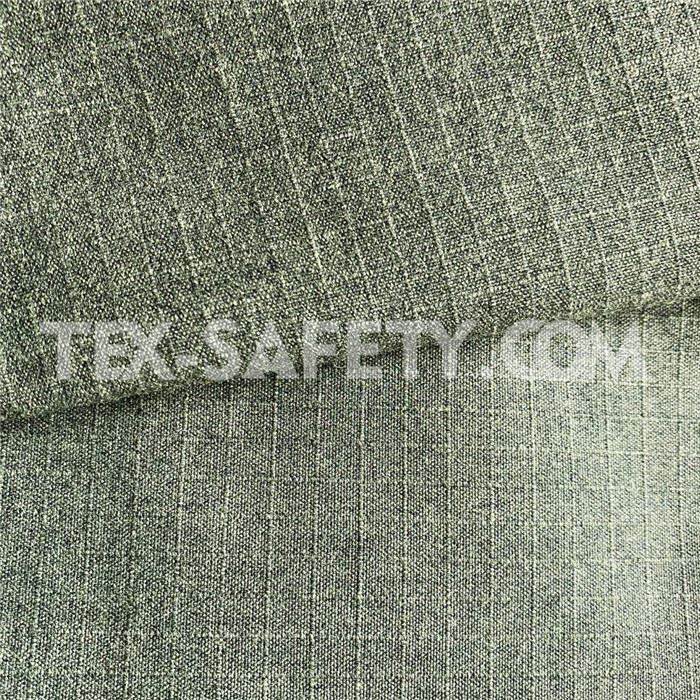
Conduct regular visual inspections of the stored fireproof materials. Look for signs of damage, such as tears, holes, discoloration, or mold growth. If any issues are detected, take immediate action to address them, such as repairing the damage or replacing the affected materials.

Performance Testing
Periodically test the fire - resistant performance of the stored materials. This can be done through laboratory testing or using in - house testing equipment if available. Performance testing helps to ensure that the materials still meet the required fire - safety standards.
Conclusion
Proper storage of fireproof materials is a multi - faceted process that requires attention to detail and strict adherence to best practices. By controlling the storage environment, using appropriate containers and packaging, implementing effective inventory management, and conducting regular inspections, you can ensure that your fireproof materials remain in optimal condition and retain their fire - resistant properties.
If you are in need of high - quality fireproof materials or have any questions about their storage and usage, I encourage you to reach out to me. I'm here to provide you with the best products and professional advice to meet your fire - safety needs. Let's work together to create a safer environment.
References
- ASTM International. (20XX). Standard test methods for fire - resistant materials. ASTM Publication.
- National Fire Protection Association (NFPA). (20XX). NFPA codes and standards related to fireproof materials storage. NFPA Handbook.
- Manufacturer's guidelines for Fire Resistant Material Fabric, FireProof Fabric, and Moda - arylic Flame Retardant Reflective Fabric.