

Hey there! As a supplier of shielding fabric, I'm super excited to dive into the topic of "What is the flexibility of shielding fabric?" It's a question that comes up a lot, and I'm here to break it down for you in a way that's easy to understand.

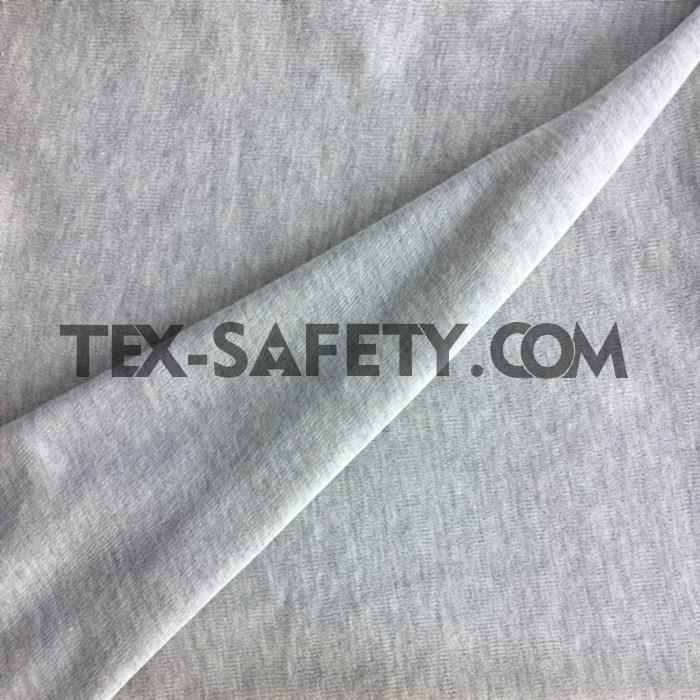
What is Shielding Fabric Anyway?
First things first, let's quickly go over what shielding fabric is. Shielding fabric is a special type of material designed to block or reduce electromagnetic radiation. It's used in a variety of applications, from making anti - radiation clothes to protecting sensitive electronic equipment.
There are different types of shielding fabrics out there. For example, RFID Blocking Cloth Conductive Shielding Fabric for Anti Radiation Clothes is great for those who want to protect themselves from RFID - related radiation. And Radiation Proof Fabric offers more general protection against different forms of electromagnetic radiation. Then we have Electromagnetic Radiation Protective Clothing Fabric, which is specifically made for making radiation - protective clothing.
Physical Flexibility
One of the key aspects of the flexibility of shielding fabric is its physical flexibility. This refers to how easily the fabric can be bent, folded, or shaped without losing its shielding properties.
Most modern shielding fabrics are incredibly flexible. They're made using advanced manufacturing techniques that allow them to be as pliable as regular fabrics. You can fold them up and put them in a bag without worrying about damaging the shielding layer. This is a huge advantage, especially when it comes to making clothing.
Imagine you're wearing a radiation - protective jacket made from shielding fabric. You want to be able to move your arms freely, bend down, and sit comfortably. A flexible shielding fabric allows for all these movements. It doesn't restrict your range of motion like a rigid material would.
The physical flexibility also makes it easier to work with during the manufacturing process. Designers can cut, sew, and shape the fabric into different styles of clothing, from simple T - shirts to more complex jackets and pants. This versatility in design means that consumers have a wider range of options when it comes to choosing radiation - protective clothing.
Frequency Flexibility
Another important type of flexibility is frequency flexibility. Electromagnetic radiation comes in different frequencies, and a good shielding fabric should be able to block a wide range of these frequencies.
Some shielding fabrics are designed to be effective against specific frequencies. For example, RFID - blocking fabrics are optimized to block the frequencies used in RFID technology. However, there are also multi - frequency shielding fabrics that can block a broader spectrum of electromagnetic radiation.
These multi - frequency fabrics are really useful because in our modern world, we're exposed to all sorts of electromagnetic frequencies. From the Wi - Fi signals in our homes to the radio waves used by our mobile phones, there's a constant stream of radiation around us. A fabric with good frequency flexibility can provide protection against this diverse range of frequencies.
Environmental Flexibility
Shielding fabric also needs to be flexible when it comes to different environmental conditions. It should be able to maintain its shielding properties in various temperatures, humidity levels, and even in the presence of chemicals.
In cold temperatures, some fabrics might become brittle and lose their flexibility. But high - quality shielding fabrics are designed to withstand low temperatures without cracking or losing their shielding effectiveness. Similarly, in hot and humid conditions, the fabric should not degrade or become less effective at blocking radiation.
Some shielding fabrics are also resistant to chemicals. This is important in industrial settings where workers might be exposed to various chemicals while also needing protection from electromagnetic radiation. A fabric that can handle these harsh environmental conditions provides long - term protection and value.
Application Flexibility
The flexibility of shielding fabric extends to its applications as well. As I mentioned earlier, it's commonly used in making anti - radiation clothing. But that's not all.
Shielding fabric can also be used in the electronics industry. It can be used to line the inside of electronic enclosures to prevent electromagnetic interference (EMI). This helps to ensure that electronic devices work properly without being affected by external radiation.
In the medical field, shielding fabric can be used to protect patients and medical staff from the radiation emitted by medical equipment such as X - ray machines. It can also be used in military applications to protect soldiers from the electromagnetic threats on the battlefield.
Why Flexibility Matters
You might be wondering why all this flexibility is so important. Well, for one, it makes the shielding fabric more user - friendly. If a fabric is too rigid or can only work in specific conditions, it's not going to be very practical for everyday use.
Flexibility also means that the fabric can be used in a wider range of applications. This increases its market value and makes it a more attractive option for different industries.
From a consumer's perspective, a flexible shielding fabric means more choices. You can find radiation - protective clothing in different styles and designs that suit your personal taste and needs.
How We Ensure Flexibility
As a supplier of shielding fabric, we take several steps to ensure that our products have the best possible flexibility.
We use high - quality raw materials. The conductive fibers and other components used in our shielding fabrics are carefully selected to provide both good shielding performance and flexibility.
Our manufacturing process is also optimized for flexibility. We use advanced weaving and coating techniques that allow the fabric to be flexible while maintaining its shielding properties.
We also conduct rigorous testing on our products. We test the physical flexibility by bending and folding the fabric multiple times to see if it retains its integrity. We test the frequency flexibility by exposing the fabric to different electromagnetic frequencies and measuring its shielding effectiveness. And we test the environmental flexibility by subjecting the fabric to different temperatures, humidity levels, and chemicals.
Contact Us for Your Shielding Fabric Needs
If you're interested in purchasing shielding fabric for your business or personal use, we'd love to hear from you. Whether you need RFID Blocking Cloth Conductive Shielding Fabric for Anti Radiation Clothes, Radiation Proof Fabric, or Electromagnetic Radiation Protective Clothing Fabric, we have a wide range of options to meet your requirements.
Get in touch with us to discuss your specific needs, and let's start a conversation about how our shielding fabric can provide the protection you're looking for.
References
- Textbooks on electromagnetic radiation and shielding materials
- Industry reports on the use of shielding fabric in different applications
- Research papers on the development of flexible shielding fabrics