

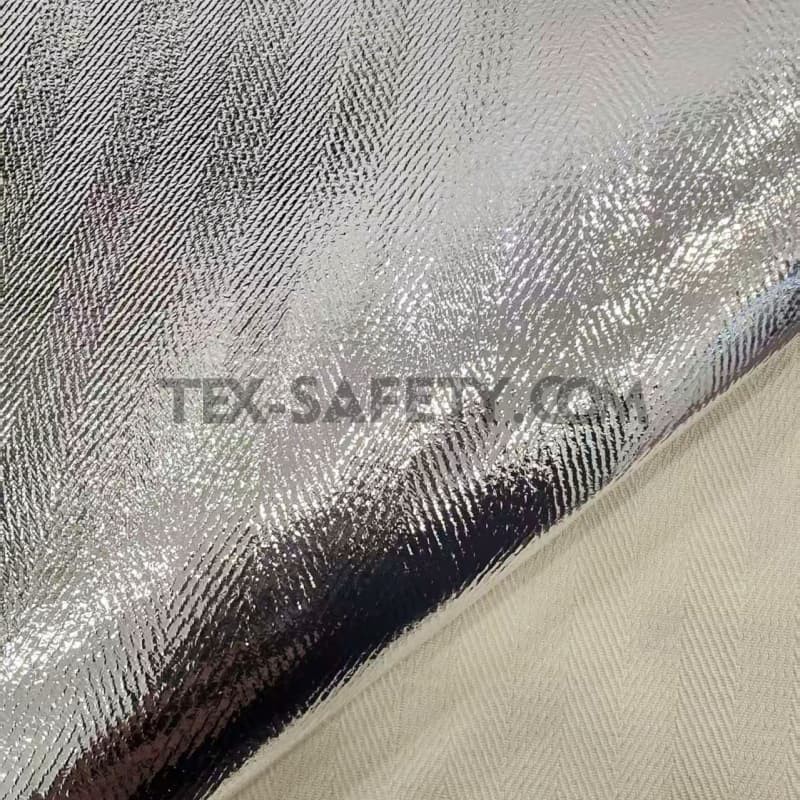
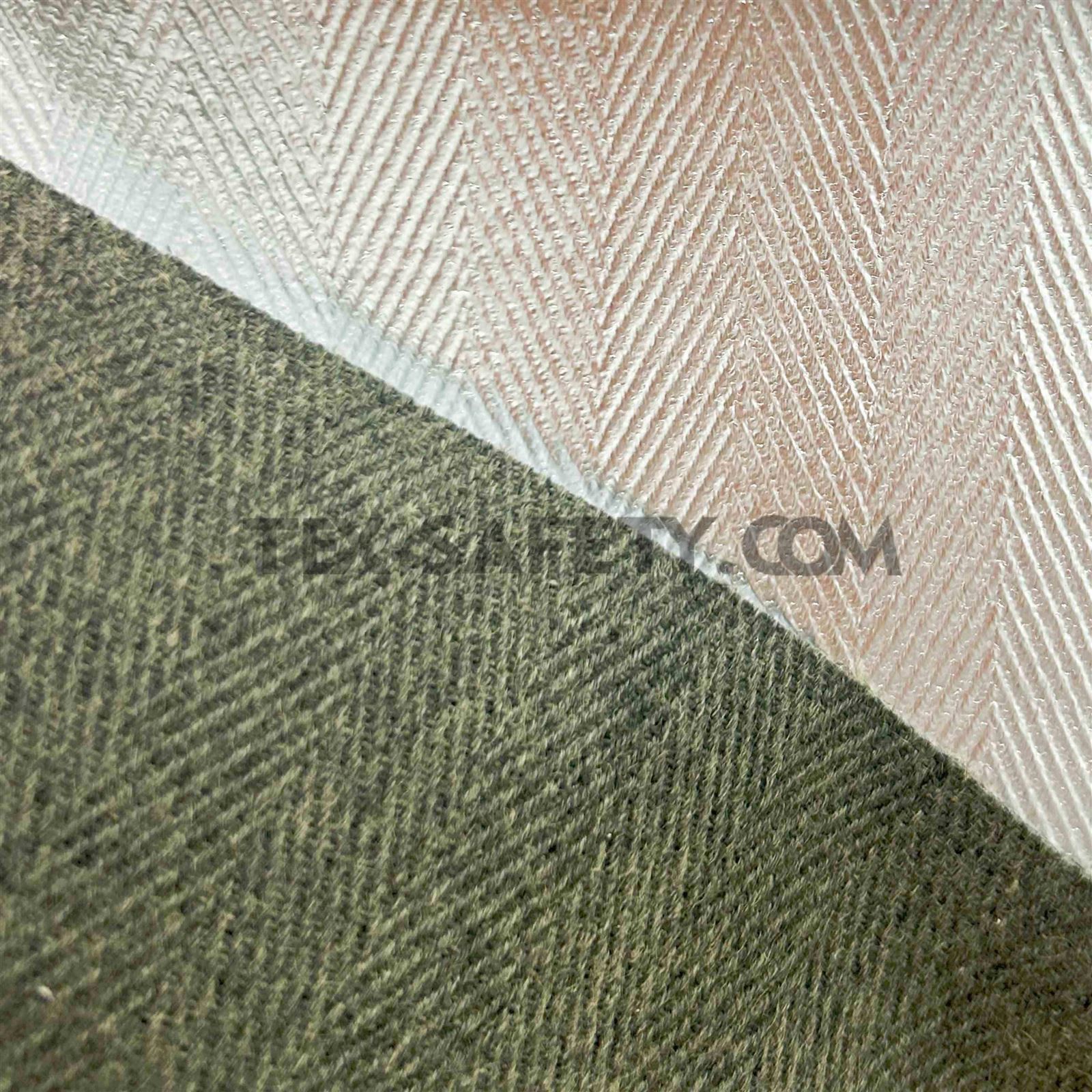
Aluminum foil fabric, also known as aluminized fabric, is a composite technical textile. It is made by laminating or coating a thin aluminum layer onto base materials like glass fiber, polyester, or aramid via advanced processes such as hot pressing, vacuum plating, or gluing. This combination merges the base material's mechanical strength with aluminum foil's unique properties, forming a multi-functional material.
Core Properties & Advantages
- Exceptional Heat Resistance: The aluminum layer from Aluminum foil fabric reflects up to 95% of radiant heat, while base materials like glass fiber or aramid ensure high-temperature stability. Most variants withstand continuous use at 200–500°C and short-term exposure to 800°C+ without melting.
- Flame Retardancy: Inherently fire-resistant (especially with glass fiber/aramid bases), it does not burn, drip, or release toxic fumes, meeting global flame retardant standards (e.g., EN 11612, NFPA 701).
- Barrier Performance: Blocks moisture, dust, and chemical vapors, with the aluminum layer forming an airtight shield against environmental erosion.
- Lightweight & Durable: Despite its protective capabilities, it remains lightweight and flexible, resisting tearing and abrasion for long-term use.
Wide-Ranging Applications
- Industrial Insulation: The Aluminum foil fabric can be used for thermal shielding of boilers, pipelines, and high-temperature equipment, reducing energy loss and ensuring worker safety.
- Protective Apparel: Crafted into firefighter suits, foundry workwear, and welding jackets, shielding against radiant heat and flame hazards.
- Construction & HVAC: Applied as duct insulation, roof underlayment, and fireproof curtains, enhancing building energy efficiency and fire safety.
- Outdoor & Emergency: Made into emergency blankets, camping gear, and military thermal shelters, providing rapid heat retention and protection.
- Automotive & Aerospace: Used in engine heat shields and aircraft thermal insulation, withstanding extreme temperatures in harsh environments.
Key Selection Tips
Base Material: Choose glass fiber for ultra-high temperature resistance, polyester for cost-effectiveness, and aramid for lightweight protection.
Aluminum Coating: Opt for vacuum-plated layers for better adhesion and heat reflection, suitable for long-term use.
Specifications: Check weight (150–500gsm), width (58–60 inches common), and temperature rating to match specific application needs.
Share your specific requirements, including fabric parameters (e.g., composition, weight, width) and temperature resistance needs with Fuliong Textile. Our professional team will analyze your demands to recommend the most suitable high-performance fabrics and deliver tailored solutions. We also offer flexible OEM/ODM customization services, covering material adjustments, specification modifications, and functional upgrades to perfectly match your industrial, protective, or functional textile applications. Rely on our expertise for reliable, compliant, and cost-effective fabric solutions tailored to your unique needs.