

How Reflective Textiles Work
Material Composition: Reflective textiles typically contain microbeads or microprisms embedded in the fabric. These components reflect light back to its source, increasing visibility. The most common materials are made with glass beads or prismatic films that are incorporated into or coated onto the textile.
Light Reflection: When light hits a reflective surface, it is bounced back towards the source. In the case of reflective textiles, this means that headlights from vehicles or other light sources are reflected back to the observer, making the wearer more visible.
Durability: Reflective materials are designed to withstand the wear and tear of everyday use. They can be embedded in the fabric or applied as a coating, ensuring that they maintain their reflective properties over time.


Applications
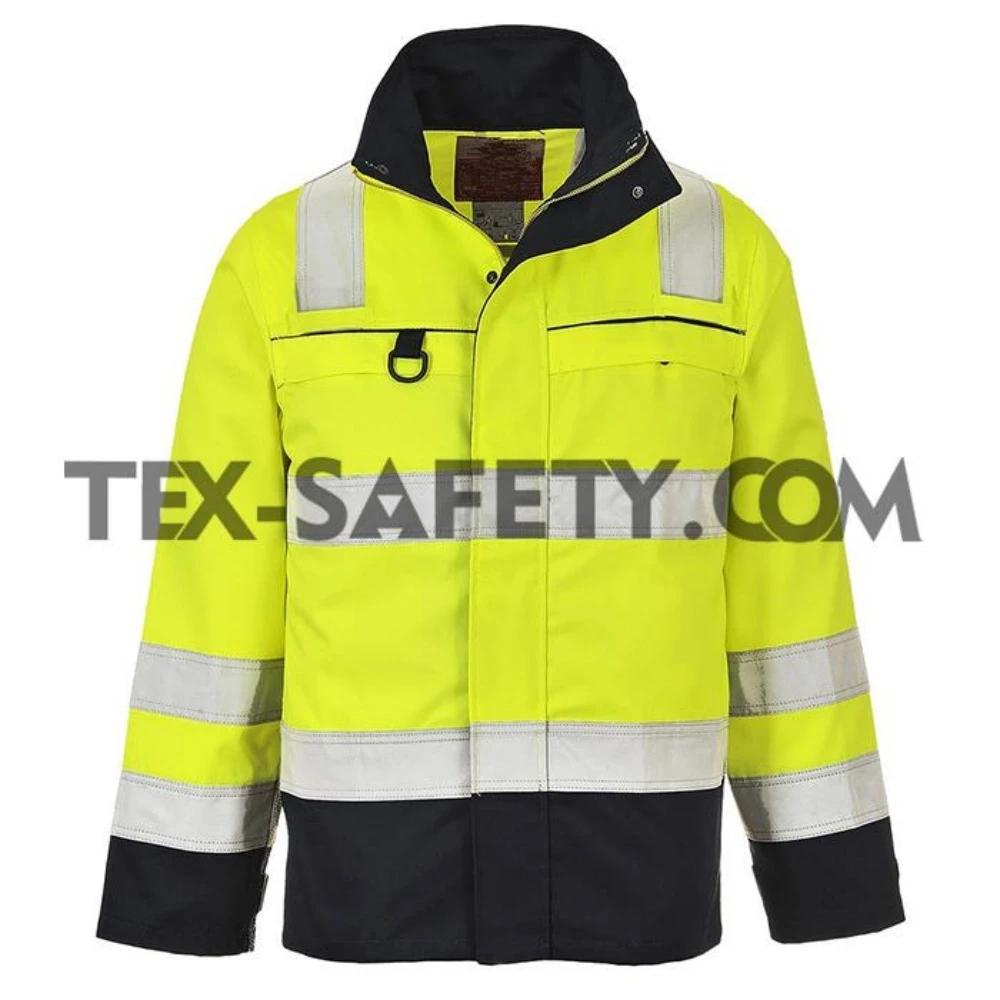
Safety Gear: Reflective textiles are crucial in safety apparel, such as vests, jackets, and pants, worn by construction workers, emergency responders, and cyclists. They ensure that individuals are visible in poor lighting conditions, such as at night or in foggy weather.
Outdoor Clothing: For hikers, runners, and others who are active outdoors, reflective elements can provide an extra layer of safety by making them visible to drivers and others in low-light conditions.
Fashion: Reflective materials have also found their way into fashion. Designers use them to create eye-catching effects and unique visual appeal in clothing and accessories.
Vehicle and Infrastructure: Reflective textiles are used in vehicle interiors and on road signs to enhance visibility and safety.
Types of Reflective Textiles
Reflective Tape: Often used on clothing or gear, reflective tape is a flexible, adhesive material that can be added to various surfaces.
Reflective Fabric: Woven or knitted with reflective fibers, this fabric can be used to make entire garments.
Reflective Coatings: Applied as a layer on fabrics, these coatings create a reflective surface without altering the base textile.
Considerations
Effectiveness: The effectiveness of reflective textiles depends on the intensity of the light source and the angle at which the light strikes the material.
Maintenance: To maintain their reflective properties, textiles should be cleaned according to the manufacturer's instructions, as washing and abrasion can affect performance.
Reflective textiles play a critical role in enhancing safety and visibility in various settings, and ongoing advancements continue to improve their performance and applications.